Shaping the architecture
I design where the data platforms should be in a few years and how to get there. I write it down as principles, patterns and decision records, so teams don't have to guess.
Hi, I'm
I design data and AI solutions.
I help organizations take messy data and big ambitions and turn them into something their teams can actually build, run and trust. I like the hard part in the middle: where policy, technology and people all have to agree.
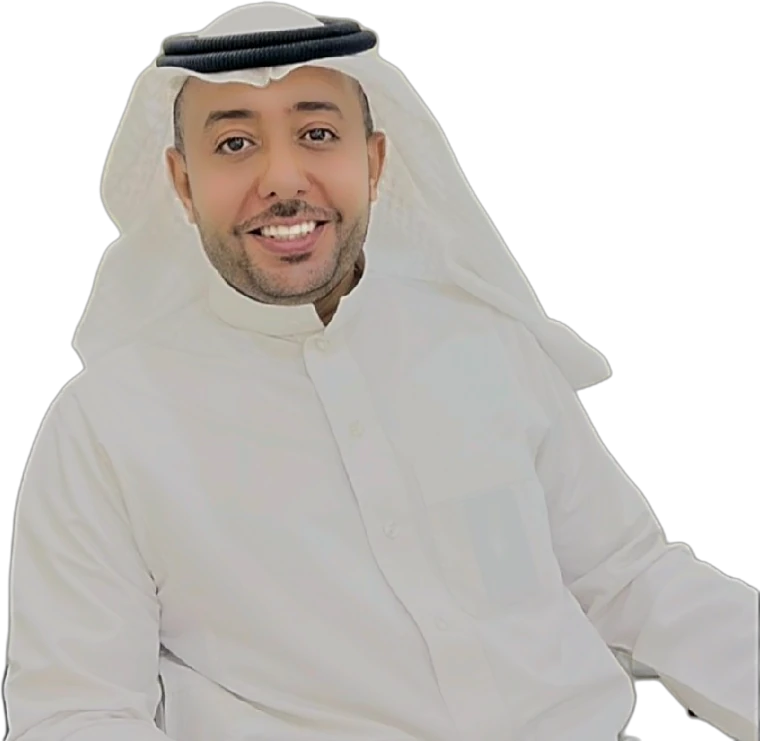
Good architecture is measured by what teams can build on it with confidence, not by how it looks on paper.
I started my career writing code: PL/SQL for a factory floor, PHP for a help desk, ABAP to get SAP talking to a food-formulation system. That hands-on start still shapes how I work. I don't hand over a design I couldn't explain to the engineer who has to build it.
Over the years I moved from building systems to designing the data underneath them. I've modeled data for national programs with tens of millions of records, built real-time pipelines, and put machine-learning models into production.
Today I lead a team of architects and engineers in payments and financial services. We shape where the data platforms are heading, set the standards everyone builds to, and figure out where AI genuinely helps, and where it doesn't.
Most of my week falls into four areas. They overlap a lot, and that's the point.
I design where the data platforms should be in a few years and how to get there. I write it down as principles, patterns and decision records, so teams don't have to guess.
I take AI and ML ideas from "wouldn't it be nice" to a real model design. I start by asking whether the data is ready and the risk is acceptable. In finance, both questions matter.
I write the standards, review the designs, and make sure security, integration and regulatory needs are covered before anything goes live, not after.
I hire for technical depth and for maturity, then help people grow. I also spend a lot of time getting vendors, engineers and business owners pointed in the same direction.
A few things that made a real difference, mostly from my recent years in payments and financial services.
Designing the target reference architecture for key payments data. The best part: several delivery teams now build on its principles, patterns and decision records.
Leading a diagnostic of the whole data landscape, naming the real pain points, and turning them into a multi-year modernization roadmap that leadership backed.
Running controlled proofs of concept before multi-million-riyal platform purchases, so the choice rests on evidence, not on the best sales pitch.
Setting up architecture review boards, quality strategies and technical-debt tracking, so getting better becomes part of the routine instead of a one-off project.
Building real-time and batch pipelines on Kafka and SAS Event Stream Processing, and data models for national telecom and education programs during my consulting years.
Helping more people understand why data sharing, lineage and quality matter, through internal forums, published standards and work with external partners.
I start with the problem, not the platform. The best tool is the one that fits the problem you actually have.
Decisions get recorded with their reasons, so the next team understands why, not just what.
A short proof of concept beats a long debate, especially when the budget is big.
Architecture only works if the people building it believe in it. I spend the time to get there.
I didn't start as an architect. Each role added a layer, and I still use all of them.
Payments and financial services, Riyadh
Leading the data architecture team: setting direction, reviewing designs across programs, and building a team of architects and engineers with real depth in cloud, data and ML.
Data and analytics consulting
Spent seven years on two big national programs, one in a telecom running the campaigns management system and one in an educational entity. Designed solutions, modeled data, built pipelines, deployed models, and translated between business and technology.
Industrial manufacturing
Built the factory's core production system on Oracle and led its move to a private cloud. Learned there that systems have to survive real operations.
Agri-food manufacturing
Connected SAP to a food-formulation system and wrote ABAP customizations, delivering measurable efficiency gains. A first real lesson in integration.
Government services
Built a web ticketing platform from scratch in PHP and MySQL that helped the support team resolve issues much faster.
Technology roadmaps, target operating models, Vision 2030 alignment, build-vs-buy calls.
Solution and reference architecture, microservices, event-driven design, stream processing, APIs, Google Cloud.
Data modeling, big data platforms, data mesh and lakehouse, SQL, Teradata, Oracle, Kafka.
Use-case incubation, generative AI, MLOps, AIOps, statistical modeling, Python.
Governance frameworks, standards writing, design reviews, risk, compliance and quality management.
Payments and settlement, fintech, telecom, national education programs, manufacturing, industrial IT.
Whether it's architecture, advice on an AI idea, or a talk for your team, I'm always happy to have a conversation. Drop me a line.
mohammad.h.alqahtani@gmail.com
Send an email
I'm based in Riyadh and happy to talk in Arabic or English.